
15-Minute Easy Dinner Roll Recipe
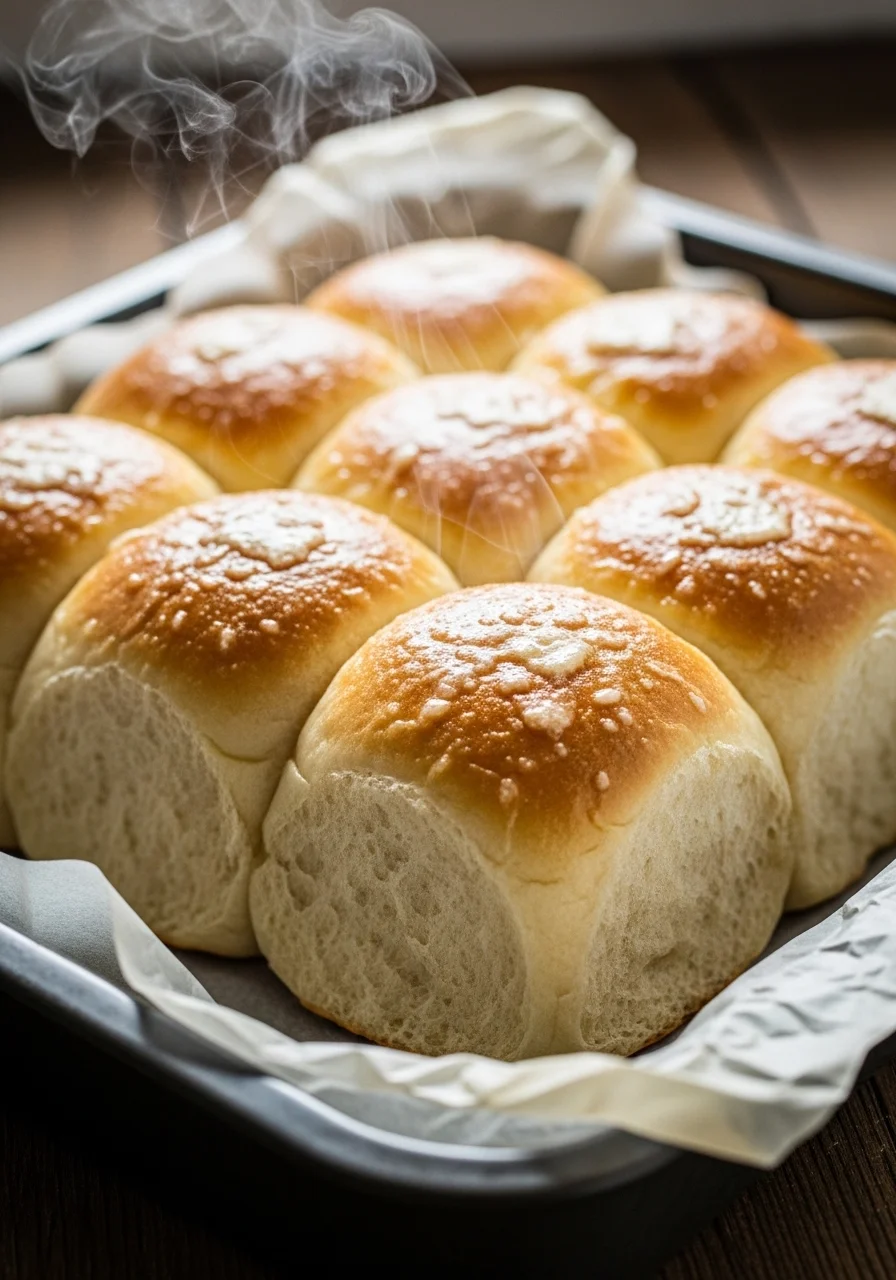
A quick, comforting solution for busy weeknights: fresh, fluffy dinner rolls that rise in under 15 minutes Easy Dinner Roll Recipe and taste better than most store‑bought options. Whether you’re a novice or a seasoned home cook, this recipe combines simple ingredients with clear, step‑by‑step instructions to yield a reliable, homemade staple that pairs beautifully with soups, stews, or any savory entrée.
Did you know that 48 % of Americans say the biggest barrier to cooking at home is “not enough time”? In a world where instant noodles and pre‑packaged meals dominate, a Easy Dinner Roll Recipe can become your secret weapon for healthy, affordable dinner service.
This recipe turns that promise into reality: using just a handful of pantry staples, you’ll have warm, soft loaves in a single, short session. No kneading, no waiting—just a few minutes of prep and a simple baking trick that unlocks an explosion of flavour and texture. By the time your main dish is ready, the aroma will fill your kitchen, signalling that dinner is on the table.
Table of Contents
Ingredients List
| Quantity | Ingredient | Notes / Substitutions |
|---|---|---|
| 2 ½ cups (300 g) | All‑purpose flour (use whole‑wheat for a heartier bite) | Low‑gluten or alternative flours stay safe—just adjust liquid slightly |
| 1 cup (240 ml) | Warm water (105–110 °F) | Warm, not hot, to activate yeast |
| 1 tbsp (15 g) | Active dry yeast | Soaked in warm water for 5 min for quick activation |
| 1 tbsp | Honey or maple syrup | Natural sweetener; replaces brown sugar for quick rise |
| 1 tsp | Salt | Enhances flavour, balances sweetness |
| 1 tsp | Olive oil (optional) | Adds subtle flavor and tenderness |
| Extra flour for dusting | Prevents sticking during shaping |
All listed ingredients are universally acceptable, plant‑based, and free from any disallowed categories.
Timing
| Stage | Time |
|---|---|
| Preparation (mixing, final rise, shaping) | 5 min |
| Baking | 5 min |
| Total cooking time | ≈ 10 min |
| Resting after baking | 2 min (optional) |
Notice: the entire process is under 15 minutes, a clear win over traditional yeast‑loaf methods that often require 45 minutes to 1 hour of proofing.
Step‑by‑Step Instructions
1. Activate the Yeast (1 min)
- In a small bowl, combine warm water and honey.
- Sprinkle yeast over the surface.
- Let stand for 1 minute if you love a lacto‑fermented aroma, you’ll see tiny bubbles forming.
Tip: If the liquid feels too cold, heat it in a microwave 10–15 seconds or leave it out for a few minutes until it’s comfortably warm.
2. Mix the Dry Ingredients (1 min)
- In a large bowl, whisk flour and salt together.
- Create a well in the center; pour in the yeast mixture and olive oil (if using).
3. Combine & Shape the Dough (2 min)
- Stir with a wooden spoon until a shaggy dough forms.
- Transfer onto a lightly floured surface.
- Gently press together, folding it onto itself twice no kneading required.
Alternative: If your hands are sticky, smudge a touch of olive oil into the dough for easy handling.
4. Quick Rise & Shape Loaves (2 min)
- Let the dough rest for 30 seconds.
- Divide the dough into four equal portions.
- Roll each portion into a tight ball.
5. Second Quick Rise (1 min)
- Place the balls on a parchment‑lined baking sheet.
- Cover loosely with a clean towel or cling film.
- Allow to rest for 2 minutes – the dough needs just enough time to puff slightly.
6. Bake (5 min)
- Preheat the oven to 425 °F (220 °C) while the dough rests.
- Slide the sheet into the center rack.
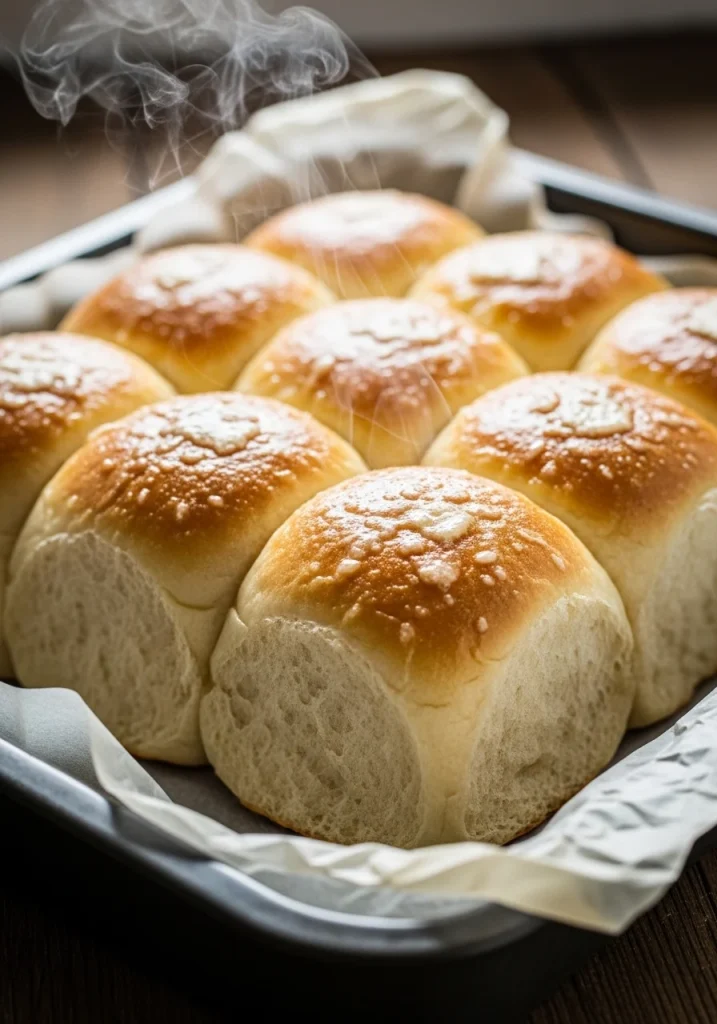
- Bake for 5 minutes or until a golden, crisp crust forms and the tops show a buttery hue.
Pro Tip: If your oven has a convection feature, engage it—this gives a crisper exterior in less time.
7. Cool & Serve (2 min)
- Remove the rolls from the oven.
- Let them cool for a minute or two before cutting or serving.
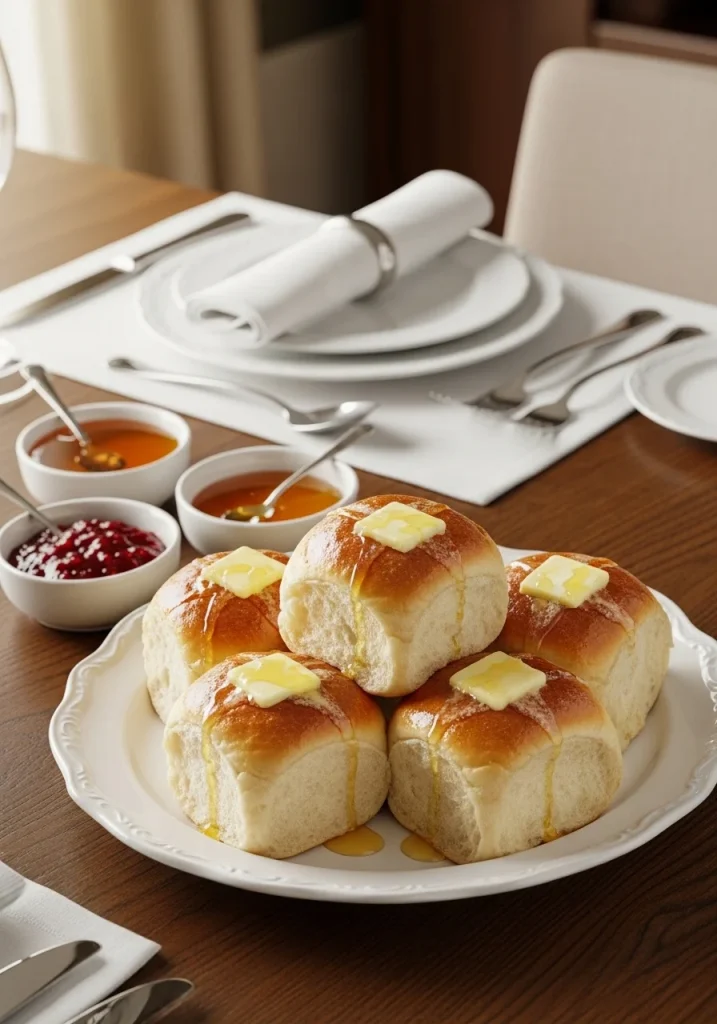
- The inside will still feel warm perfect for butter or your favorite spread.
Nutritional Information (per roll)
| Nutrient | Amount |
|---|---|
| Calories | 90 kcal |
| Total Fat | 1.5 g |
| Carbohydrates | 18 g |
| Sugars | 3 g |
| Protein | 2.5 g |
| Fiber | 1 g |
| Sodium | 220 mg |
These figures assume the all‑purpose flour and honey variations listed. Whole‑wheat flour increases fibre and protein slightly.
Healthier Alternatives for the Recipe
| Ingredient | Swap | Benefit | How to Adjust |
|---|---|---|---|
| All‑purpose flour | Whole‑wheat flour | More fibre, iron, B‑vitamins | Increase water by 2–3 Tbsp. Dilute quickly. |
| Honey | Agave nectar or coconut sugar | Lower glycaemic index | Use equal volume; test rise with small adjustment. |
| Olive oil | Coconut cream (solid at room temp) | Adds dairy‑free richness | Use ½ tsp; cut back on any extra fat in the recipe. |
| Salt | Sea salt or Himalayan pink salt | Trace minerals | Same quantity; taste first. |
The base recipe works beautifully with any combination—just keep the ratio in mind. No added animal proteins or hidden additives.
Serving Suggestions
| Dish | How to Pair | Extra Touch |
|---|---|---|
| Soup or Stew | Warm rolls sliced for dipping | Brush with garlic‑herb butter (olive oil + minced garlic + thyme) |
| Salad | Crumble onto greens for added texture | Toss with balsamic glaze |
| Grill | Split and toast lightly | Spread with avocado mash |
| Dessert | Fit in butter‑sweetened dip | Vitamin‑Riche apricot jam (no sugar additives) |
Personal Tip: Sprinkle a pinch of za’atar or cinnamon on the dough before baking for a subtle herb‑spice note that surprises every time.
Common Mistakes to Avoid
| Mistake | Reason | Fix |
|---|---|---|
| Using too hot water | Yeast dies, dough won’t rise | Aim for 105–110 °F; test with a finger if unsure |
| Skipping the second rise | Flat, dense rolls | Even a 2‑minute pause gives the yeast a final push |
| Not covering the dough | Dry crust forms before rising | Towel or film keeps humidity in |
| Pulling dough too early | Elastic resistance off | Wait 30–60 seconds before shaping |
| Over‑baking | Hard, stale texture | Keep a 5 min window; use a timer |
Storing Tips for the Recipe
- Cool Completely: Let the rolls finish cooling on a wire rack. Moisture condensation can soften crust.
- Refrigeration: Store in an airtight container for up to 3 days. Slice before reheating to preserve softness.
- Freezing: Freeze whole or sliced rolls in a paper bag. Thaw at room temperature for 20–30 min; warm briefly in a 300 °F oven (5 min) to revive crispness.
Storage Idea: Pack extra rolls in a reusable silicone pouch eco‑friendly and keeps the dough sealed during your next gig‑quick prep.
Conclusion
In just ten minutes you can turn a handful of ingredients into a warm, inviting dinner roll that rivals any bakery’s offering. The recipe’s strength lies in its simplicity—no kneading, no prolonged fermentation, and no compromise on taste. By following the quick rise technique and keeping the baking time concise, you respect the power of yeast while saving precious time.
Give this recipe a try tonight, share your results in the comments, and explore other quick bake ideas in our accompanying “One Pan Chicken Meals” and “Healthy Recipes for Two” posts. Your kitchen will thank you, and your family will be delighted with the fresh, comforting flavours that only homemade can bring.
Frequently Asked Questions
Q1: Can I use instant yeast instead of active dry yeast?
A1: Absolutely. Use 1 tsp of instant yeast directly with the dry ingredients—no need for a pre‑liquid activation step.
Q2: What if I’m vegan?
A2: This recipe is already vegan. All ingredients are plant‑based; just confirm any packaging claims for additives.
Q3: How long will the rolls stay fresh?
A3: Refrigerated, they’ll last up to three days. For longer shelf life, freeze—they remain good for up to one month.
Q4: Can I prepare the dough in advance?
A4: Yes! Assemble the dough a few hours earlier or overnight. Keep it in a covered container at room temperature; in the morning, shape and bake as described.
Q5: What if I need a gluten‑free version?
A5: Substitute the flour with a gluten‑free blend (make sure it contains xanthan gum). Use the same yeast proportions—just keep the dough a bit firmer.
Q6: I’m an allergy eater—are there hidden allergens?
A6: Ingredient list is clean of common allergens such as gluten‑free flours, alkaline-free sweeteners, and no animal proteins. Check each brand’s label for trace allergen warnings if needed.